
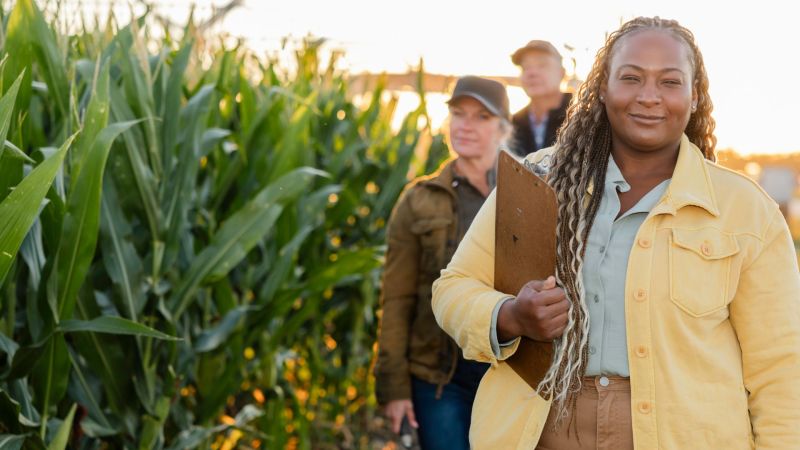
The story of American agriculture is one of resilience, resourcefulness, and a constant drive to create value from the land.
From advances in seed technology and precision agriculture to the development of new crop markets, farmers have consistently found ways to meet changing demand while improving productivity. The emerging bioeconomy represents another chapter in that story, creating new opportunities for American farmers and strengthening the long-term outlook for rural communities.
At its core, the bioeconomy is simple: it uses renewable agricultural feedstocks to produce materials, ingredients, fuels, chemicals, and other products that consumers and businesses need every day. For farmers, the most important implication is not the technology itself. It is the demand that technology creates.
Anything that increases demand for agricultural crops has the potential to create value for farmers. As new bio-based manufacturing platforms grow, they create additional markets for corn and other feedstocks produced across rural America. That demand helps support farm income while giving growers more options for where and how their crops are utilized.
Farmers Benefit When Demand Expands
Farmers have always been open to new markets. Agriculture is a business, and like any business, success often comes from having multiple customers and multiple pathways to growth. The ability to serve food, feed, industrial, energy, and manufacturing markets provides flexibility and resilience that benefits the entire agricultural value chain.
One of the most significant examples of a new market creating demand for American agriculture was the growth of the ethanol industry. Today, ethanol remains the largest single demand platform for American corn, creating a lasting and important market for growers. When new uses for agricultural commodities emerge, farmers benefit from the additional demand.
Across the U.S., companies are developing bio-based alternatives for a wide range of products and applications. These include ingredients, materials, packaging solutions, industrial products, and specialty chemicals. Many of these products are derived from agricultural feedstocks and require reliable access to crops grown by American farmers.
Diversification Creates Opportunity
The importance of this opportunity is not that it replaces existing demand. It is that it complements it. Historically, much of agricultural production has flowed into well-established food, feed, and fuel markets. Those markets remain essential. However, the bioeconomy creates differentiated opportunities that are not solely dependent on a single end-use category. It expands the number of industries connected to agriculture and broadens the range of products that begin on the farm. These industries include chemicals, polymers, personal care, construction and building materials, pharmaceuticals, and more. That diversification matters.
Every business benefits from serving multiple markets, and agriculture is no different. When new industrial and manufacturing applications emerge, they create additional pathways for crop utilization. Over time, these opportunities can help strengthen demand by ensuring that agriculture remains relevant across a growing number of industries.
Strengthening America's Competitive Advantage
The bioeconomy also represents an opportunity for the U.S. to further strengthen its position as a global leader in agricultural innovation and manufacturing. America possesses a distinct combination of advantages, including highly productive farmland, world-class farmers, sophisticated supply chains, and extensive infrastructure.
These advantages have helped make the U.S. one of the most reliable suppliers of agricultural commodities in the world. This country is also an attractive location for companies seeking renewable, domestically sourced feedstocks to support advanced manufacturing and industrial production.
As more bio-based manufacturing capacity is developed domestically, more value can be created closer to where crops are grown. This can stimulate investment across rural communities through processing facilities, logistics networks, research initiatives, and manufacturing operations. While the specifics vary by region and industry, the underlying principle remains consistent: increased economic activity tied to agriculture can create opportunities that extend beyond the farm gate.
Connecting Farmers to Emerging Consumer Demand
Consumers are playing a role in this evolution as well. Many companies today are exploring ways to incorporate renewable agricultural feedstocks into their products and supply chains. In some cases, they are seeking lower-carbon solutions or alternatives that support broader business objectives. As demand for these products grows, so does the importance of the agricultural supply chains that make them possible. For farmers, this represents another example of how downstream demand can create opportunity upstream.
Importantly, the bioeconomy requires a successful agriculture industry to succeed. Every ingredient, material, or manufactured product that begins with a renewable feedstock starts with the work of farmers. Their productivity, stewardship, and commitment to continuous improvement provide the foundation upon which the entire bioeconomy is built.
A Stronger Future for American Agriculture
Looking ahead, the opportunities are significant. New technologies continue to emerge. Investment in biomanufacturing is increasing. Companies across industries are exploring new ways to use agricultural feedstocks to create products for consumers and businesses. Each of these developments has the potential to create additional demand for American crops and open new market opportunities for farmers.
That is why the bioeconomy matters. It is focused on creating more pathways from the farm to the marketplace. It is about expanding demand, encouraging technological and scientific research, and strengthening the economic connection between agriculture and industry.
For American farmers, those are opportunities worth supporting. Agriculture has always thrived when new markets emerge, and the bioeconomy represents one of the most promising new market developments of this generation. By expanding the uses for agricultural feedstocks and connecting farmers to a growing range of industries, the bioeconomy can help create a stronger, more diverse, and more resilient future for American agriculture.
Learn more about how Primient is helping advance the bioeconomy and investing in American farmers in our latest 2025 Impact Report.